

When you visit a grocery store, apartment complex, or public park, you have a reasonable expectation that the property will be safe. In South Carolina, this expectation isn’t just a matter of courtesy, it’s a matter of law. Property owners have a duty of care to keep their premises reasonably safe for guests, tenants, and customers. When they fail to do so, and someone is injured, they may be held legally responsible through a premises liability claim.
This post explains what the duty of care means for property owners in South Carolina, who is protected under this law, and what you can do if unsafe conditions caused your injury. We’ll also explore how this concept ties into negligence, comparative fault, and specific cases like slip and fall and negligent security.
What Is “Duty of Care”?
In personal injury law, the duty of care refers to a person or company’s legal obligation to act in a way that avoids causing harm to others. For property owners, this means maintaining safe conditions and warning visitors about known dangers.
The level of care required depends on why the injured person was on the property. South Carolina recognizes three main categories of visitors:
- Invitees – People who enter a property for the owner’s benefit (such as customers in a store). They are owed the highest duty of care. Owners must regularly inspect for hazards and fix or warn about them.
- Licensees – Guests or social visitors who are on the property for their own reasons. Owners must warn them about known dangers that aren’t obvious.
- Trespassers – People who enter without permission. Generally, owners owe them limited duties, though they can’t intentionally harm trespassers.
For example, a restaurant owner must regularly check floors for spills, while a homeowner should warn guests if a porch step is broken.
How Property Owners Breach Their Duty of Care
When a property owner fails to take reasonable precautions to prevent injury, they breach their duty of care. Common examples include:
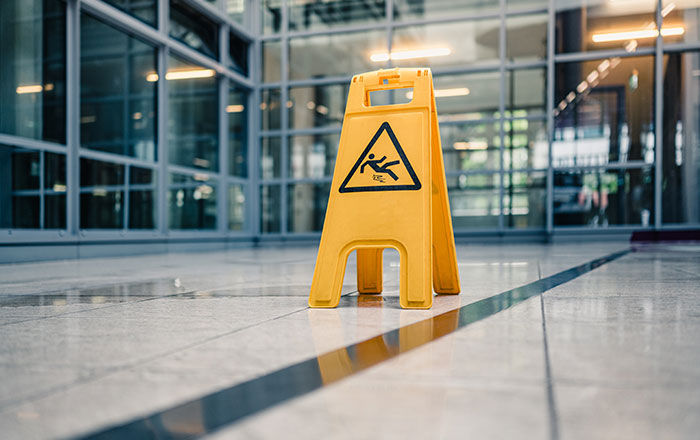
- Ignoring wet or uneven flooring
- Failing to repair broken handrails or steps
- Poor lighting in parking lots or stairwells
- Inadequate security in high-crime areas
- Neglecting to clear ice or debris
- Allowing unsafe swimming pools or equipment
If a guest slips, trips, or is assaulted due to any of these conditions, the owner can be held liable under premises liability law.
The Connection Between Duty of Care and Negligence
To succeed in a personal injury or premises liability claim, your personal injury attorney must prove that:
- The property owner owed you a duty of care.
- The owner breached that duty by failing to act reasonably.
- That breach caused your injury.
- You suffered damages, such as medical bills, lost wages, or pain and suffering.
This is the same framework used in other negligence-based cases like car accidents or medical malpractice. If you want a broader understanding of how negligence is proven, see our related article Understanding Negligence: How It Applies to Your Personal Injury Case.
Common Accidents Involving Breach of Duty
Negligent property maintenance can lead to a wide range of accidents, such as:
- Slip and fall incidents in stores, hotels, or restaurants
- Falling objects in retail or warehouse settings
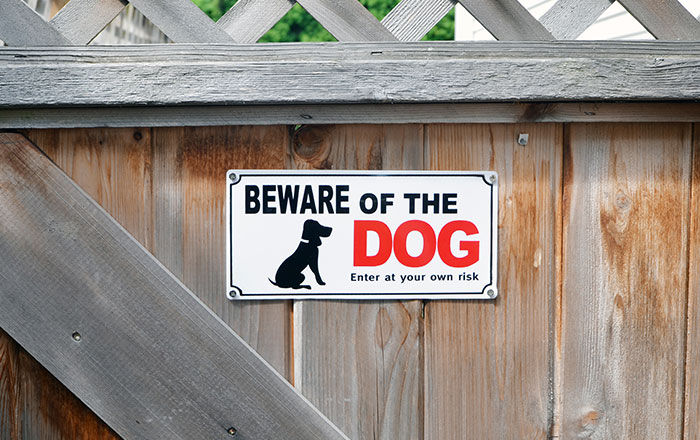
- Dog bites due to negligent pet owners
- Drowning accidents at poorly supervised pools
- Assaults or robberies in areas with negligent security
Each of these cases stems from a property owner’s failure to anticipate and correct unsafe conditions.
For example, if a shopping mall repeatedly ignores reports of poor lighting in a parking lot where robberies occur, the mall’s management could be liable for any resulting injuries. (You can read more about this specific scenario in our blog Injuries Caused by Negligent Security.)
How Comparative Negligence Applies
South Carolina follows a modified comparative negligence law, meaning you can still recover compensation if you were partly at fault, as long as you were less than 51% responsible for your injury.
For instance, if you slipped on an unmarked spill while looking at your phone, a court might assign you 20% of the blame. You could still recover 80% of your total damages.
Insurance companies often use this rule to minimize payouts, but a skilled premises liability lawyer can present evidence proving that the property owner’s negligence was the primary cause of your injury.
To learn more about how this rule affects all personal injury cases, see our post Understanding South Carolina’s Comparative Negligence Law.
Proving a Breach of Duty
Evidence is the foundation of every premises liability claim. Your attorney will work to establish that the owner knew or should have known about the hazard and failed to act. Useful evidence includes:
- Surveillance footage
- Maintenance logs or inspection reports
- Witness statements
- Photos of the hazard
- Previous complaints or incident reports
The stronger your evidence, the easier it is to demonstrate that the property owner’s negligence directly caused your injury.
What to Do If You’re Injured on Someone Else’s Property
If you’ve been hurt due to unsafe property conditions, take these steps:
- Seek medical attention immediately.
- Report the incident to the property owner or manager.
- Document the scene with photos and notes.
- Get witness contact information.
- Avoid giving statements to insurance adjusters without legal advice.
- Contact a South Carolina premises liability attorney.
The sooner you act, the easier it will be to preserve evidence and protect your right to compensation.
Possible Compensation for Victims
If your attorney proves the property owner breached their duty of care, you may be entitled to compensation for:
- Medical expenses and future care
- Lost wages and reduced earning ability
- Pain and suffering
- Emotional distress
- Property damage (if applicable)
- Wrongful death damages, in fatal cases
Your lawyer will also calculate long-term costs such as ongoing rehabilitation or diminished quality of life, especially if the injury was catastrophic.
Get Help from McWhirter, Bellinger & Associates
If you were injured because a property owner failed to keep their premises safe, you have legal options. At McWhirter, Bellinger & Associates, we’ve been helping South Carolinians recover compensation for premises liability cases for decades.
Call 803-653-6449 today for a free consultation with an experienced South Carolina premises liability lawyer. Our offices are located in Columbia, Lexington, Orangeburg, Camden, Sumter, Aiken, and Newberry.
Property owners have a duty to protect their guests. When they fail, and you get hurt, our firm will fight to make it right.